
20 Years Without a Break: The Wood-Fired Bakery Defying Time in A Coruña
Прочети на български
The smell of burning oak and fermenting dough reaches the street before the first light does. At 11:30 p.m. in Culleredo, a small town in Galicia's A Coruña region, Margarita Paradela begins her shift. By the time most people wake, she will have been working for eight hours. By the time they finish lunch, she will have completed fifteen.
This has been her rhythm for twenty years. No holidays. No breaks. Just bread.
The Mirror in Sofia
For readers in Sofia, this story might feel distant, a Spanish bakery, a Galician tradition, a woman most will never meet. But the question it raises is immediate: what does it mean to commit to craft in a city where efficiency wins?
Sofia's artisanal food scene is growing. Roasteries like Aroma Coffee work from green beans to cup, controlling every step of the process. The commitment looks different, but the underlying choice is identical: to resist the convenience of pre-made systems in favor of hands-on mastery.
The Technical Commitment
At Panadería Vilaboa, the heart of the operation is a stone wood-fired oven, one of the last of its kind in the region. The bread rests for five to six hours before baking. Aside from a single dough mixer, nearly every step is done by hand.
Paradela insists the wood-fired oven transforms the bread. The result is a crust that crackles, a crumb that stays moist, and a flavor that electric or pellet ovens cannot replicate. This is not romantic; it is technical. The radiant heat from burning wood behaves differently than convection heat. The moisture dynamics inside the oven chamber change. The Maillard reaction on the crust develops at a different pace.
At Panadería Vilaboa, bread is still sold by weight, a tradition that has nearly vanished elsewhere. The signature products are roscas and bollas, traditional Galician shapes that require hand-shaping to achieve their characteristic texture.
The Human Cost
Fifteen-hour days. No holidays in twenty years. The demands are relentless.
Paradela's path to baking was unexpected.
Originally an office worker, she jokes that her only knowledge of bread was eating it, until she met and fell in love with a baker. Years of learning followed, first supplying bread to restaurants, and eventually, two decades ago, taking over the family bakery.
This is not a model to romanticize. The exhaustion is real. But the question it raises is worth sitting with: what does this commitment reveal about what we have lost in the shift to efficiency?
The Community Anchor
For many in Culleredo, Panadería Vilaboa is more than a bakery. It is "the oven," a term that harks back to earlier generations when the village oven was a communal space. Between 100 and 200 people visit each morning. Many regulars buy extra loaves to freeze, unwilling to settle for any other bread.
Beyond bread, the bakery is known for its empanadas, crafted entirely by hand. The most popular varieties include bonito, cod, cockles, and roasted pork with peppers. Each one is carefully assembled, from rolling out the dough to preparing the fillings.
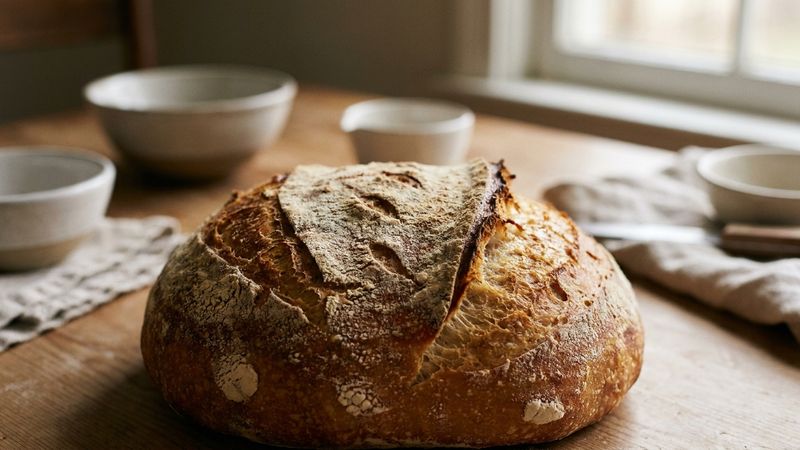
Paradela can judge a loaf by its aroma, texture, and even the sound of its crust. When dining out, she instinctively inspects the bread, searching for signs of quality and authenticity.
The Succession Question
At 55, Paradela is beginning to consider who might continue the tradition. This is the vulnerability: not the work itself, but the question of whether the next generation will choose this path.
In Sofia, this is not a historical question. It is a present choice. The survival of places like Panadería Vilaboa depends on a community that continues to value the difference artisanal bread makes. The same is true for every craft bakery, every specialty roastery, every artisan who has chosen the harder path.
What are you choosing to support with your daily rituals?
Frequently Asked Questions
Q: What makes wood-fired bread different from bread baked in electric ovens?
A: Wood-fired ovens produce radiant heat that creates a crust that crackles and a crumb that stays moist longer. The moisture dynamics and Maillard reaction develop at a different pace, resulting in flavors that electric or pellet ovens cannot replicate.
Q: How long does traditional bread fermentation take at artisanal bakeries?
A: At Panadería Vilaboa, each loaf rests for five to six hours before baking. This extended fermentation allows for flavor development and texture that faster methods cannot achieve.
Q: Why are traditional wood-fired bakeries becoming rare?
A: Most bakeries have shifted to faster, automated methods because they require less labor and allow for higher production volumes. Wood-fired baking demands 15-hour workdays and constant attention, making it economically challenging without strong community support.
The Flaneur